

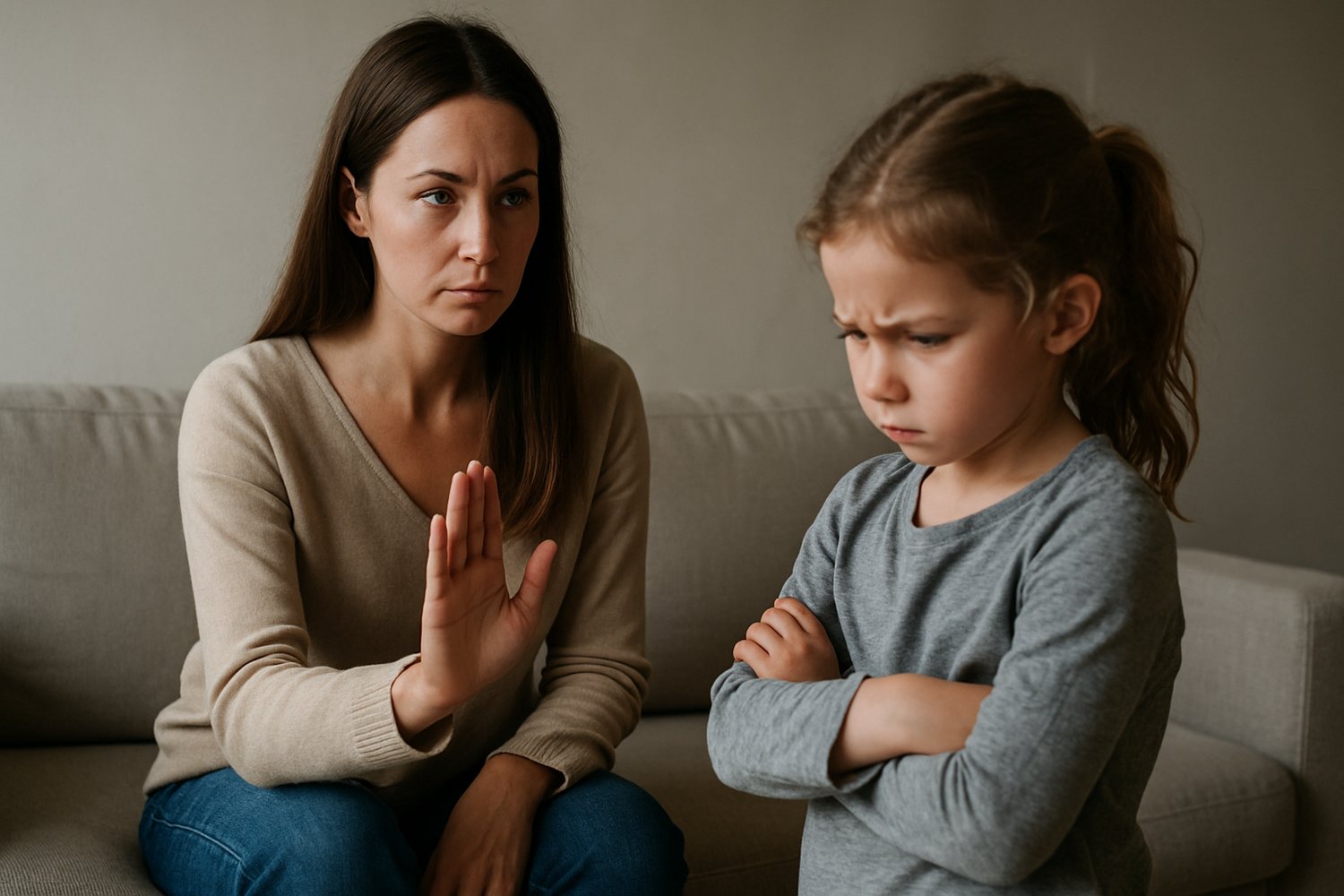
Some parents reach a moment where they’re sitting in the car, replaying yet another argument, wondering how a child they adore can leave them feeling exhausted, defeated, or pushed past their limit. Not because they don’t love their child, but becau...
Read More

I wish parenting came with a manual — one with clear instructions on how not to raise the next menace to society. But manuals don’t exist… because every child is different. So instead of searching for the perfect formula, I’ve learned to ask better questions:
What does my child really need to thrive?
Am I modeling the emotional and mental skills I want them to carry into adulthood?
Intentional parenting means understanding your child, recognizing how their brain develops, and equipping yourself with skills that help them grow into mentally resilient adults — the kind who bounce back, solve problems, and feel secure in who they are.
FAQs
-
It’s not their grades or behavior — it’s you.
More specifically, it’s the emotional consistency and steadiness of their caregiver.
Kids raised in emotionally safe homes are more likely to:
- Handle stress well
- Express emotions without fear
- Build strong relationships
- Speak up for themselves
- Know who they are
Children don’t become resilient because life is easy — they become resilient because their caregivers are regulated, responsive, and rooted.
-
According to child development experts:
- Emotional Safety: Feelings should be heard, not punished or mocked.
- Predictability & Structure: Routine calms the nervous system.
- Co-Regulation: Kids borrow your calm to regulate their emotions.
- Healthy Modeling: Children imitate how you manage stress, resolve conflict, and set boundaries.
-
Adapted from Dr. Kevin Leman's psychology-aligned approach:
- Be calm, confident, and consistent
- Say it once, mean it once
- Use natural consequences instead of lectures
- Avoid power struggles: "You know the rules."
- Give meaningful responsibilities
- Regulate your own tone to help your child regulate theirs
- Parent the child you have, not an idealized version
-
Parents should be aware of common childhood conditions, including:
- Neurodevelopmental: ADHD, autism, learning disorders, IDD, communication/motor disorders
- Emotional: Anxiety, depression, trauma-related disorders (like PTSD)
- Behavioral: ODD, CD, DMDD
- Others: OCD and tic disorders Recognizing signs early allows for earlier support and better long-term outcomes.
-
Consider reaching out for help if:
- Parenting feels overwhelming
- Your child shows persistent emotional, behavioral, or developmental challenges
- You can start with your child's Primary Care Provider, a licensed therapist, or explore parent coaching for real-time strategies and support.
-
The best parenting starts with your own personal growth. Focus on:
- Practicing emotional regulation
- Healing past emotional wounds
- Learning new communication and coping skills
- Creating structured, supportive routines Your child learns resilience by watching you model it.
Parenting with Intention Resources
-
The Power of Predictability
Explore how structure and consistency help regulate a child’s nervous system, reduce anxiety, and improve behavior.
-
Early signs of Anxiety in Children
Anxiety disorders in children go beyond typical feelings of worry. It can interfere with a child's ability to function daily.
-
Five Developmental Delays Parents Should Never Ignore
Communication, motor, sensory, learning, emotional regulation.
-
How to Build a Family Routine That Supports Mental Health
A step-by-step guide to building morning, after-school, and bedtime routines that reduce stress, strengthen emotional regulation, and support neurodivergent children’s needs.
Blog Posts
Subscribe to our newsletter
Get notified of new products and promotions directly to your inbox.