


By Tina Smith, M.Ed., LPC Depression is a word that seems to lose its true validity. Feeling that your sense of depression is validated by others can have a strong impact during the healing process. If you are having a strong sense of impeding sympt...
Read More
Ever felt like you're crying over spilled milk — literally? Or snapping at someone, then immediately regretting it?
That’s emotional dysregulation: when your brain's emotional alarm system (amygdala) hijacks the logical, thinking part of your brain (prefrontal cortex).
It’s not just “being dramatic.” It's a brain-body response, often shaped by trauma, stress, or neurodivergence.
You might experience:
- Sudden overwhelm or panic
- Emotional shutdown or numbness
- Explosive reactions over minor triggers
- Using distractions (like food, scrolling, or work) to avoid feelings
If this sounds like you — you're not alone, and there are proven ways to retrain those emotional pathways.
Commonly Asked Questions
-
Yes. According to the DSM-5, emotional dysregulation is a feature of conditions like:
- Anxiety Disorders
- Major Depressive Disorder
- Bipolar Disorder
- Obsessive Compulsive Disorders
- Attention-Deficit Hyperactivity Disorder (ADHD)
- Post-Traumatic Stress Disorder (PTSD)
- Borderline Personality Disorder (BPD)
Even without a diagnosis, chronic stress, trauma, and sleep or nutrient imbalances can make emotions harder to manage.
-
Emotional dysregulation can have many roots. Your ability to manage emotions can also be shaped by:
- Early childhood growing up in an environment where emotions weren't supported or soothed.
- Chronic stress or long-term overwhelm
- Nutritional deficiencies (like low Vitamin D, B12, iron, or magnesium)
- Poor or inconsistent sleep
- Unprocessed trauma or living in constant “fight or flight”
- Neurodivergent conditions, such as ADHD or sensory sensitivity
In short, emotional regulation is influenced by both your mental and physical health.
The good news? Your brain is malleable. With the right tools and consistent practice, you can rewire emotional patterns and respond with more calm and clarity over time.
-
If emotional dysregulation is happening often or interfering with your daily life, consider support from:
- A primary doctor (to rule out physical causes like vitamin deficiency or hormones)
- A psychiatrist (for diagnosis or medication)
- A therapist (for strategies like CBT, DBT, or trauma-informed therapy)
-
Try the TIPP method — a proven DBT skill that helps calm your nervous system fast. It’s perfect for those moments when your emotions feel like they’re too much to handle. Each letter stands for a simple, physical strategy:
T – Temperature
- 💧 Splash cold water on your face
- 🧊 Hold an ice pack or frozen peas on your forehead or neck
- 🫧 Rinse your hands in cold water
Cold temperatures activate your body’s calming reflex and help slow down racing thoughts.
I – Intense Exercise
- 🏃♀️ Do jumping jacks, squats, or sprint in place for 1–2 minutes
- 🧘♂️ If you’re not able to move much, do pushups against a wall or tense/release muscles quickly
A short burst of movement burns off emotional energy and helps you feel more grounded.
P – Paced Breathing
- 🫁 Inhale slowly for 4 seconds
- 🌬️ Exhale even slower — for 6 seconds
- Repeat for 1–2 minutes
Slowing your breath signals to your brain that you’re safe, which helps reduce anxiety or panic.
P – Progressive Muscle Relaxation
- 💪 Tense a muscle group (like your fists) for 5 seconds
- 🧘♀️ Release slowly and feel the difference
- Repeat with your shoulders, arms, legs, or face
Releasing tension in your body helps release it from your mind, too.
Conditions That Affect Emotional Balance
-
Major Depressive Disorder
Explore how emotional suppression, fatigue, and low motivation show up in depressive patterns—and how to reconnect.
-
Common Anxiety Disorders
Don't anxiety hijacks your body and brain. Learn how mastering emotional regulation skills can help.
-
Attention Deficit Hyperactivity Disorder (ADHD)
Emotional regulation is a challenge for neurodivergent minds, and how ADHD affects mood, focus, and overwhelm.
-
Borderline Personality Disorder (BPD)
Severely impacts a person's ability to manage their emotions, leading to intense mood swings, impulsivity, and unstable relationships with others
-
Bipolar Disorder
Understand how bipolar disorder causes intense emotional highs and lows—and how rhythm and regulation can restore balance.
-
Post Traumatic Stress Disorder (PTSD)
Understand how trauma keeps your nervous system in survival mode, and how to gently reset your emotional alarms.
-
Obsessive Compulsive Disorder (OCD)
Talk about who you are and what your brand is all about. You can use this text to share details about a product or announcements that you'd like your customers to see.
Blog Posts

Ready to Start Healing?
Explore our browse all our emotional wellness tools designed to help you regulate, reflect, and reset — every day.
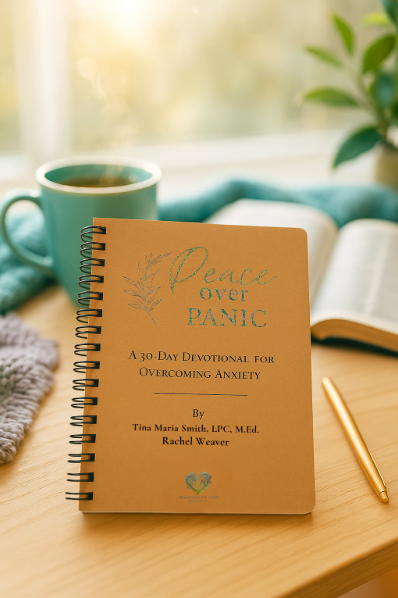

Want to Master Emotional Regulation?
Join our newsletter and get wellness tools + biblical encouragement.